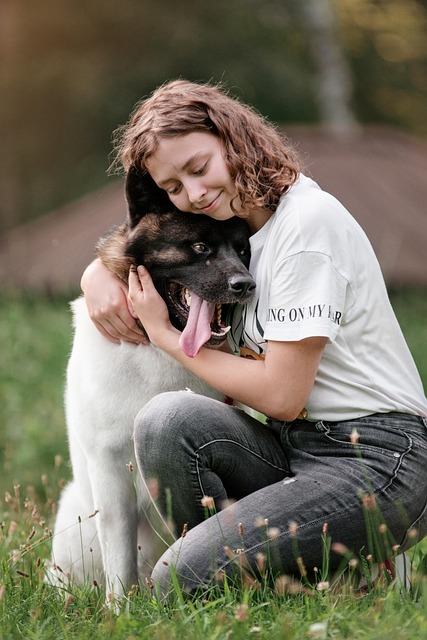
Two comprehensive online sessions exploring how dogs and cats serve as tools in psychotherapy, emotional support, and family well-being. Grounded in research, focused on practical application.
Format
Online Webinar
Sessions
2 Sessions Total
Duration
60–75 Minutes Each
Cost
Free of Charge
Session 1 • November 10, 2026 • 19:00 EET
The first session provides a thorough foundation in understanding how companion animals, specifically dogs and cats, contribute to emotional regulation and psychological health. Participants will explore the scientific evidence behind the calming effects of pet interactions, learn about physiological responses such as reduced cortisol levels and lower blood pressure, and discover how structured exercises with pets can be incorporated into daily routines to build long-term emotional stability. The session also examines how pets function within family dynamics, acting as catalysts for healthier communication patterns and reduced interpersonal conflict.
Explore how regular interaction with dogs and cats triggers oxytocin release, lowers cortisol, and helps individuals develop healthier coping mechanisms for everyday stressors. This topic covers specific research findings on pet ownership and its correlation with reduced symptoms of generalized anxiety disorder and mild to moderate depression. Participants will review documented cases where structured pet interaction was used alongside traditional therapeutic methods, producing measurable improvements in mood stability and sleep quality over periods of several weeks.
Learn how shared pet caregiving responsibilities create neutral ground for family members experiencing communication breakdowns. Animals often serve as emotional bridges, allowing children and adults to express feelings indirectly during difficult periods. This topic draws on family systems theory and examines published studies that tracked conflict frequency in households before and after adopting structured pet-interaction routines. Participants will understand how to identify moments where a pet can facilitate connection rather than distraction within the family unit.
Discover the mechanisms through which routine pet care builds emotional discipline and patience. Walking a dog on a schedule, feeding a cat at consistent times, and responding to an animal's needs all cultivate mindfulness and present-moment awareness. The discussion covers how these micro-routines compound over time, strengthening the prefrontal cortex's role in emotional decision-making and reducing impulsive reactions to stress. Studies from the Journal of Applied Animal Welfare Science provide the empirical backbone for these insights.
Engage with guided exercises designed for immediate application at home. These include structured breathing routines paired with pet presence, reflective journaling prompts centered on the human-animal bond, and family communication activities that use pet interaction as a shared focal point. Real-world case studies illustrate how individuals and families have benefited from integrating these practices, providing tangible examples that participants can relate to their own circumstances and household environments.

Session 2 • November 17, 2026 • 19:00 EET
Building on the foundational concepts from Session 1, the second session dives deeper into the long-term psychological and physiological benefits of sustained interactions with dogs and cats. Participants will examine how the human-animal bond evolves over months and years, producing cumulative improvements in emotional intelligence, relational quality, and overall life satisfaction. The session also explores professional applications, including how emotional skills developed through pet relationships translate directly into workplace effectiveness and career advancement. A substantial interactive discussion and question-and-answer segment allows participants to share their own experiences and receive tailored guidance.
Examine longitudinal research tracking the emotional health of pet owners compared to non-pet-owning control groups over multi-year periods. Key findings include sustained reductions in blood pressure, improved cardiovascular markers, and stronger social support networks among those who maintain active bonds with companion animals. This topic delves into how the consistency and reliability of a pet's affection contributes to a stable emotional baseline, particularly for individuals recovering from grief, trauma, or prolonged periods of social isolation. Participants will learn to recognize the specific interaction patterns that yield the greatest emotional dividends.
Understand the connection between empathy skills honed through pet caregiving and professional effectiveness in roles requiring strong interpersonal abilities. Caring for an animal demands patience, attentiveness to nonverbal cues, and consistent follow-through on commitments. These qualities translate directly into leadership competence, team collaboration, and client relationship management. The session reviews published studies from organizational psychology that link pet ownership with higher emotional intelligence scores and explores how participants can deliberately strengthen these transferable skills through intentional daily interactions with their companion animals.
Go beyond conflict reduction to explore how pets actively contribute to a positive home atmosphere. Research from the Journal of Family Therapy demonstrates that households with pets often report higher levels of shared laughter, spontaneous physical activity, and collaborative decision-making around care routines. This topic addresses practical considerations such as managing responsibilities fairly among family members, using pet-related activities as bonding opportunities for couples and parent-child pairs, and recognizing when a pet's behavioral cues can serve as early indicators of rising tension within the household that needs attention.
The session concludes with a dedicated segment for participant engagement. Attendees can share their own experiences with pets and emotional well-being, ask specific questions about applying the discussed techniques in their unique situations, and hear from fellow participants across different backgrounds and family structures. The invited expert will provide personalized educational guidance based on the research presented throughout both sessions. This collaborative format ensures that the webinar's value extends beyond passive listening and becomes a genuine learning community where practical ideas are exchanged openly.
By completing both sessions, participants will walk away with a comprehensive understanding of how the human-animal bond supports mental health and practical tools they can implement immediately.
Gain access to curated findings from peer-reviewed journals, translated into language that is accessible and actionable for everyday application in your home and relationships.
Take home specific exercises and routines, from pet-assisted breathing techniques to family bonding activities, that are designed to produce tangible emotional and relational improvements.
Understand how caring for pets enhances empathy, patience, and nonverbal communication skills that carry over into your professional life and personal relationships.
Learn evidence-based strategies for using pet interaction as a tool to reduce household conflict, encourage collaborative caregiving, and strengthen bonds between family members of all ages.
Explore how the consistency and routine of pet care trains the nervous system to manage stress more effectively, building a foundation of emotional resilience that strengthens over time.
Benefit from the knowledge of a specialist in psychotherapy and human-animal interaction who presents current research and answers participant questions during the live sessions.
A clear overview of your webinar experience from registration through the final session.
Step 1
Complete the simple registration form on our home page with your name and email address. You will receive a confirmation message immediately after submitting the form.
Step 2
Twenty-four hours before each session, you will receive an email containing the webinar access link, session dates and times, and our contact email for any questions.
November 10, 2026
Join the first session on animal-assisted emotional support. Explore anxiety management, family therapy applications, emotional resilience strategies, and participate in guided practical exercises.
November 17, 2026
Dive into advanced strategies for pet-assisted psychotherapy. Explore long-term emotional benefits, career development through emotional intelligence, household harmony, and engage in the interactive Q&A.
All materials are provided for educational purposes only. Information is intended for general knowledge and is not professional, medical, or psychological advice. This project does not promote commercial products or services.
The webinar is provided for educational purposes only. The invited expert participates as a guest contributor.
Registration takes less than a minute. Join us for two evenings of research-based learning about the remarkable role pets play in emotional health and family well-being.